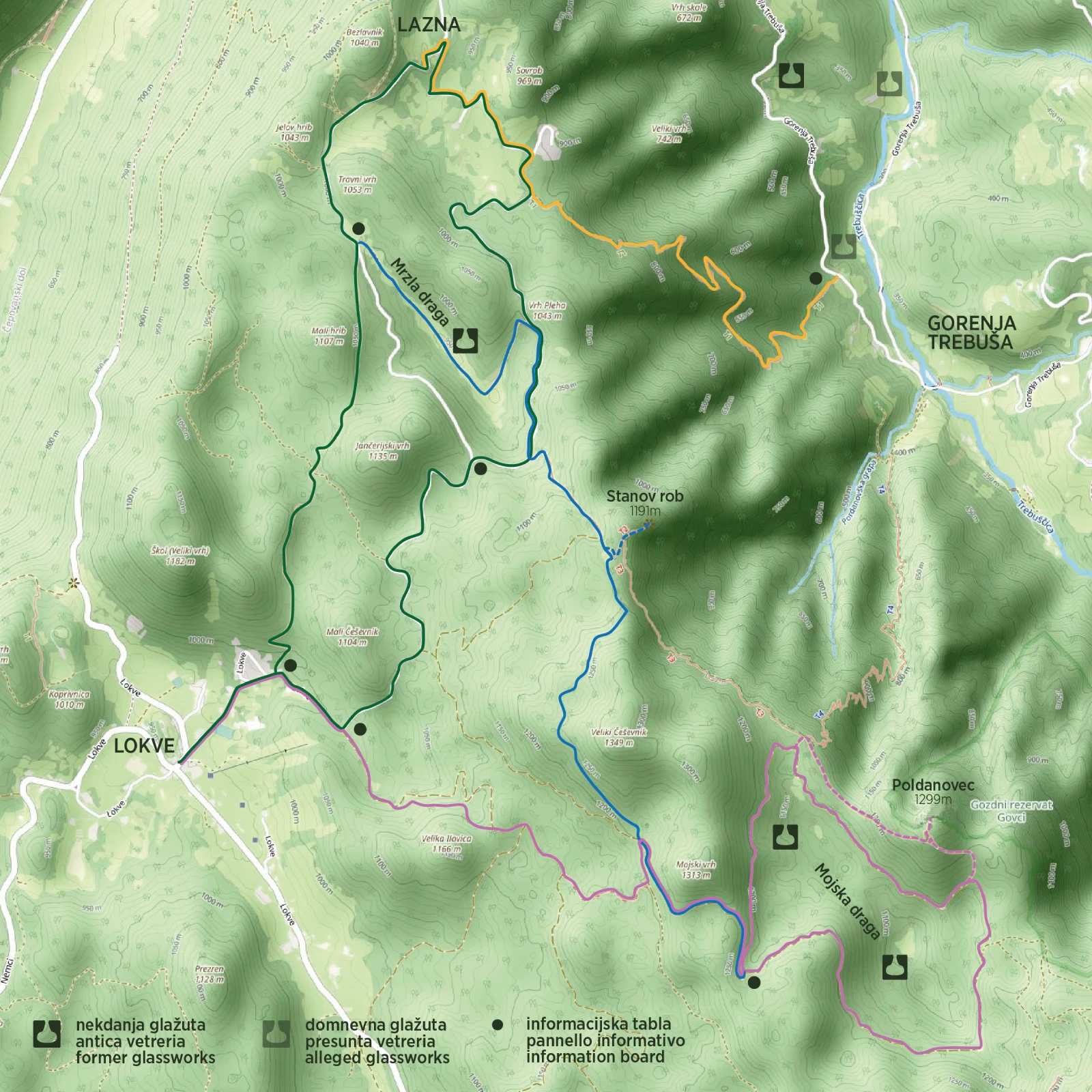
easy mountain trail
 9 km
9 km
 165 m
165 m
 3 h
3 h

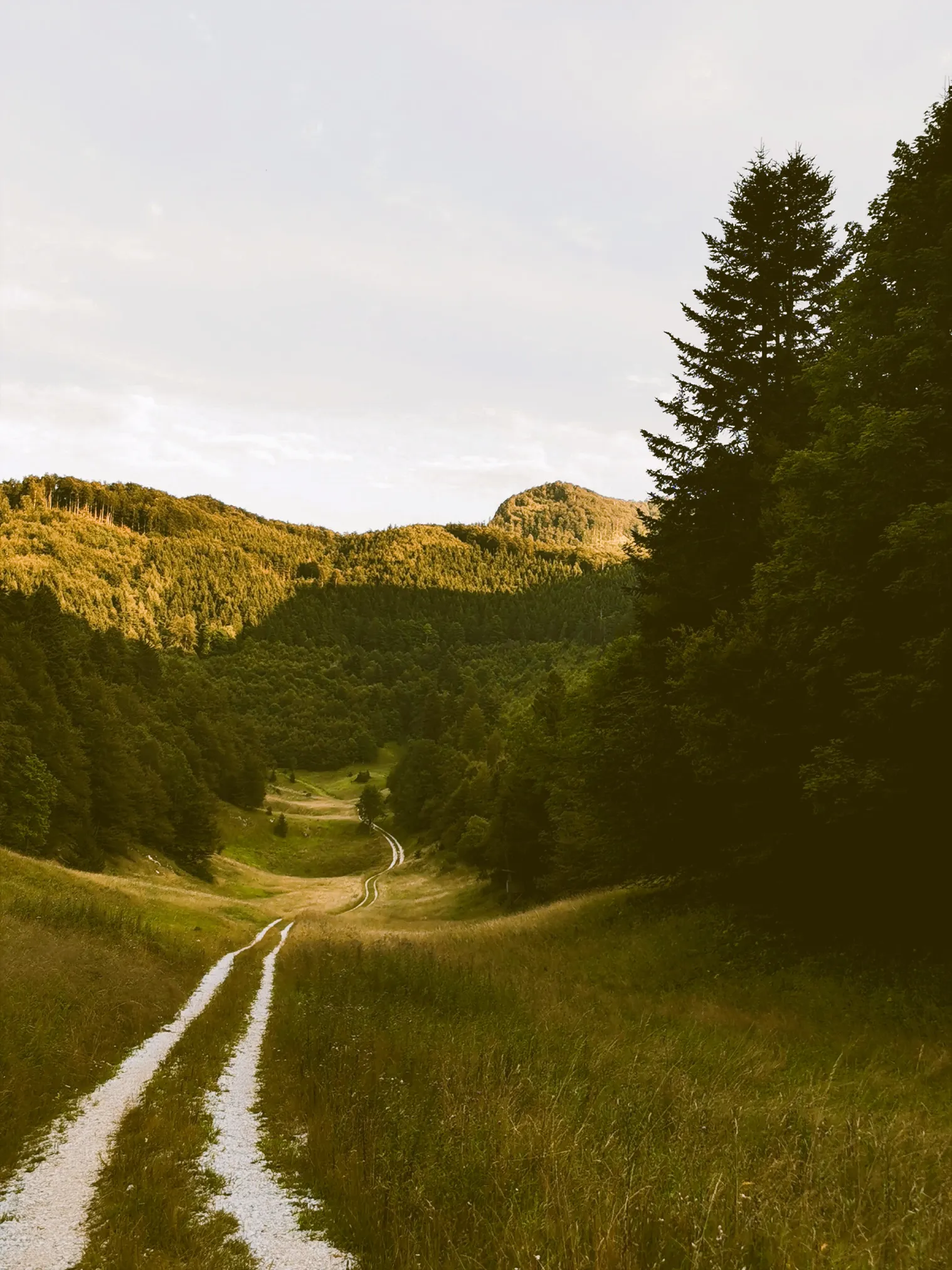


Following the glassmakers' paths on the edge of the Trnovo Forest



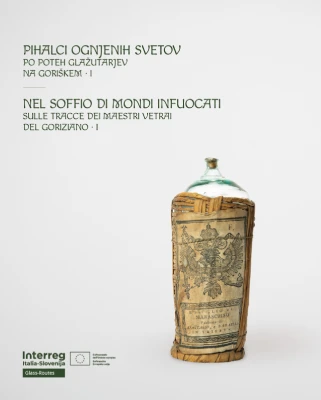
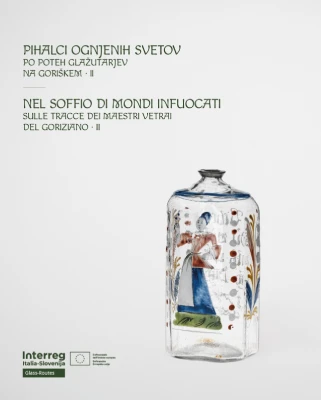
Discover the story of the glassmakers through a unique exhibition spread across three locations. In Lokve, where heritage, the local environment and an authentic atmosphere come together, an exploratory route awaits you: the exhibition is on view at the school (the premises of KS Lokve-Lazna), Gostilna Lokve and the Winkler inn, where you can also taste the glassmakers’ dessert.
In Gorizia, the exhibition comes to life at the Provincial Museums, in the Garden of Encounters (Borgo Castello), where original glassmakers’ objects are also on display.
A special part of the exhibition is also on view in Tolmin, at the Tolmin Museum, where glassmaking in the Trebuša valley is presented through the history of forest management in northern Primorska.

easy mountain trail
9 km
165 m
3 h

easy mountain trail
4,7 km
300 m
1,5 h


easy mountain trail
11,5 km
300 m
4 h

moderately demanding mountain trail
4,1 km
600 m
2 h
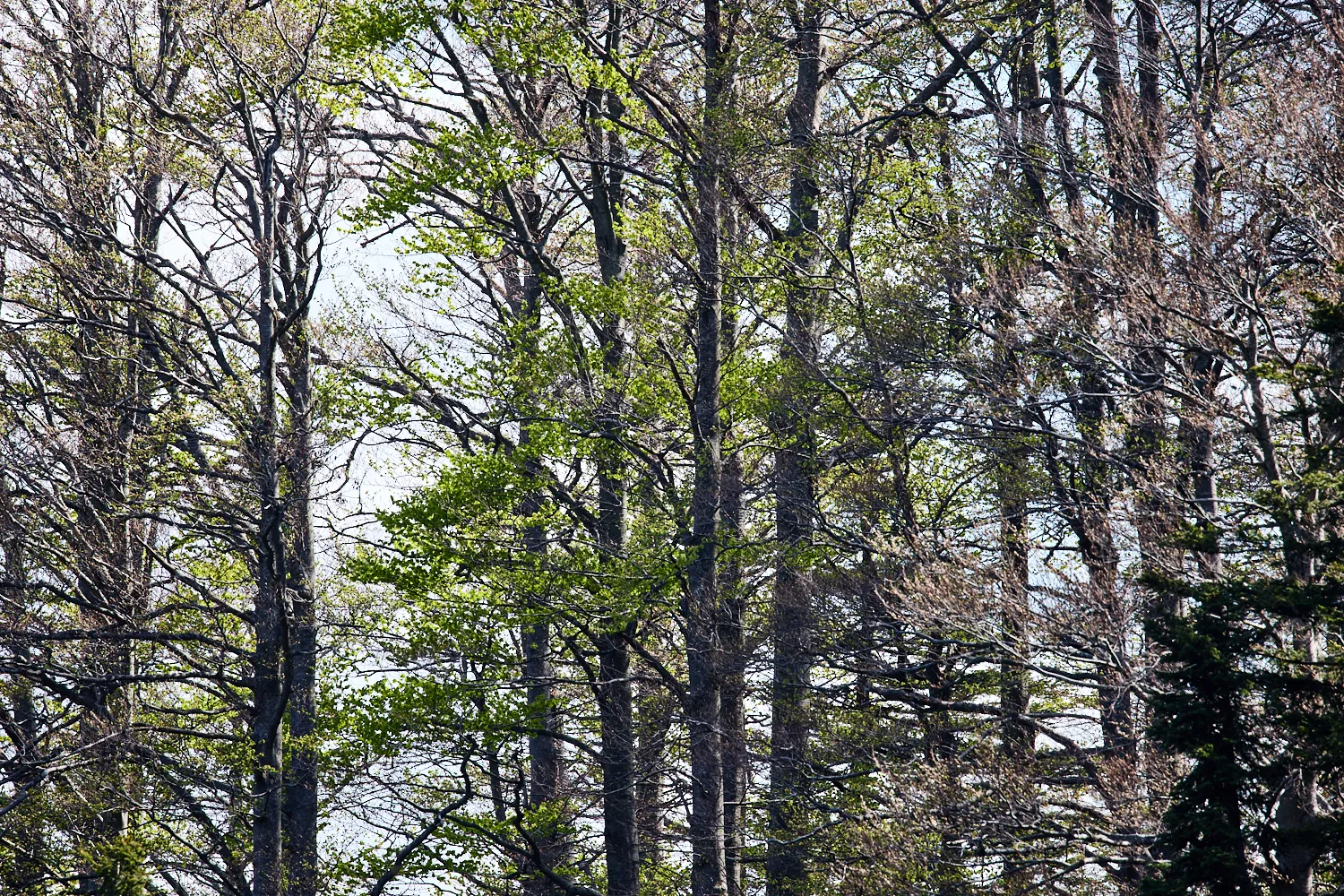

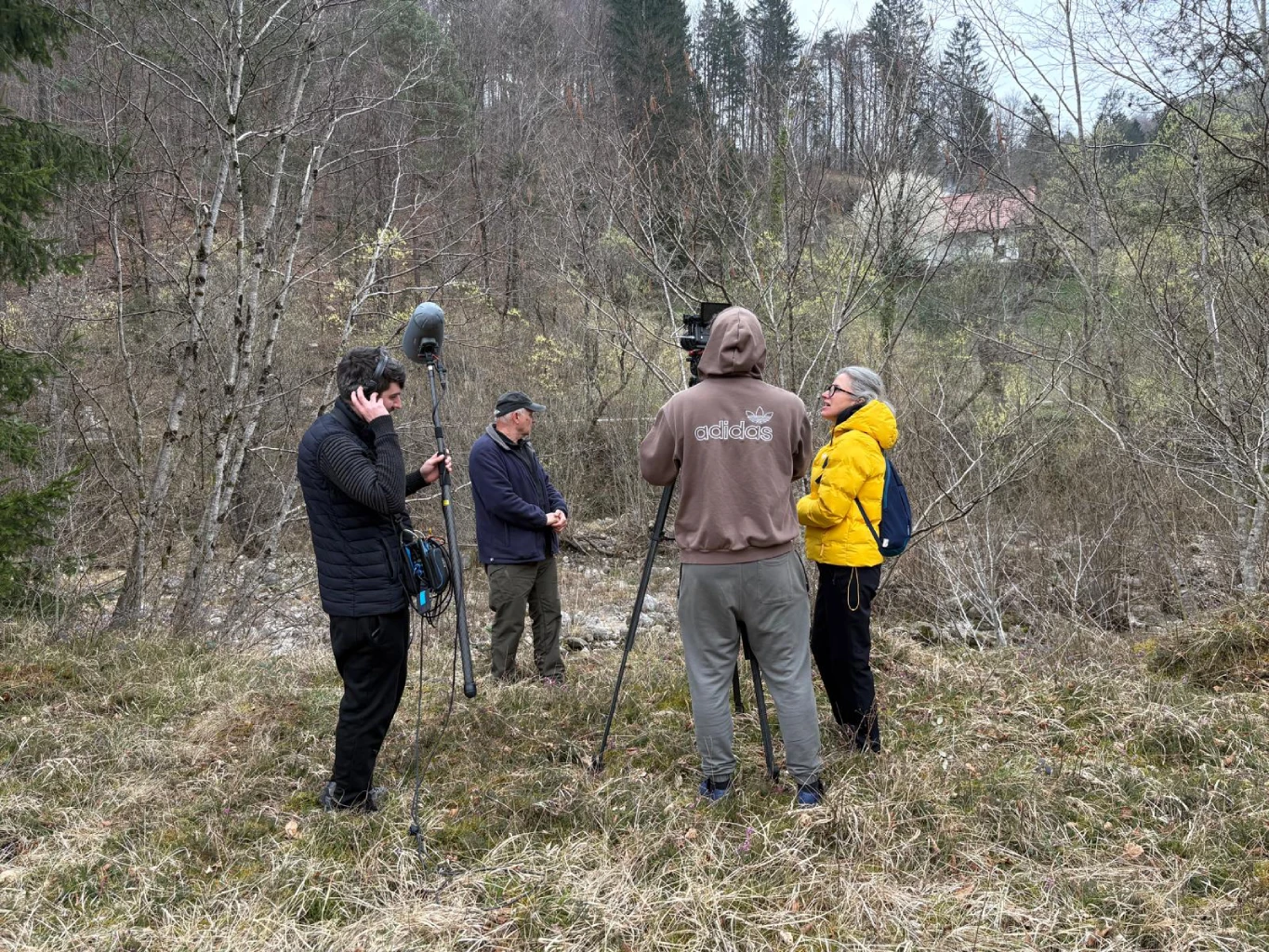
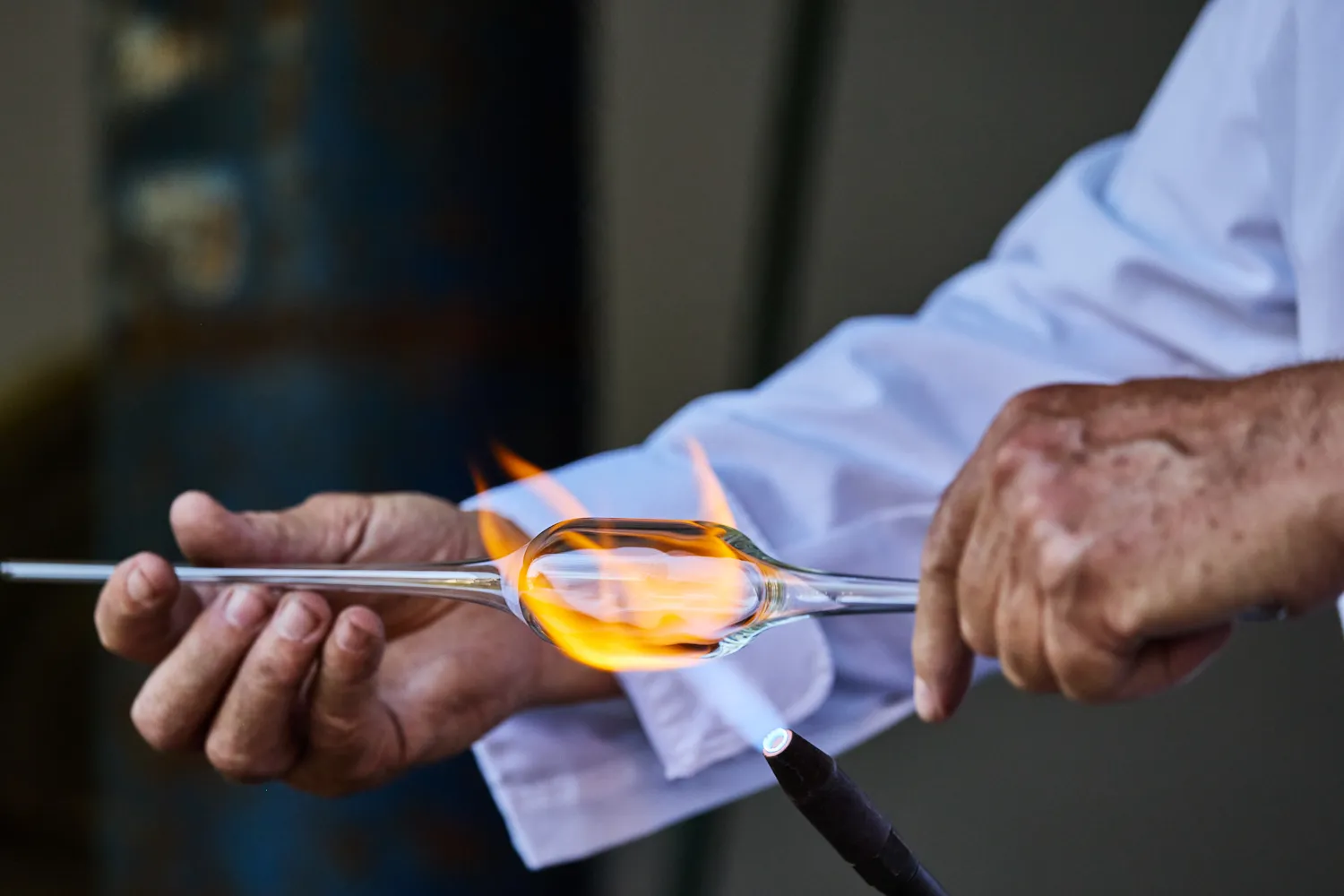
The film Stekleni čas (Glass Time), directed by Anja Medved and produced by Kinokašča, follows the traces of the former forest glassmakers - the glažutarji - who in the 18th and 19th centuries established temporary yet remarkably vibrant production settlements in the heart of the Trnovo Forest. In a hard-to-reach world deep in the woods, they created glass from sand, ash and fire, shaping a distinctive economic and cultural landscape that remains a valuable part of the craft heritage of the Goriška region.
Stekleni čas weaves together archaeological traces, historical sources, oral testimonies, memories and stories of place with the visual poetics of the landscape where the forest glassworks once operated. The film searches for traces of the life, work and knowledge of the master glassmakers, their connection with nature and their refined relationship with raw materials (quartz sand and beech firewood), which made their craft and survival possible.


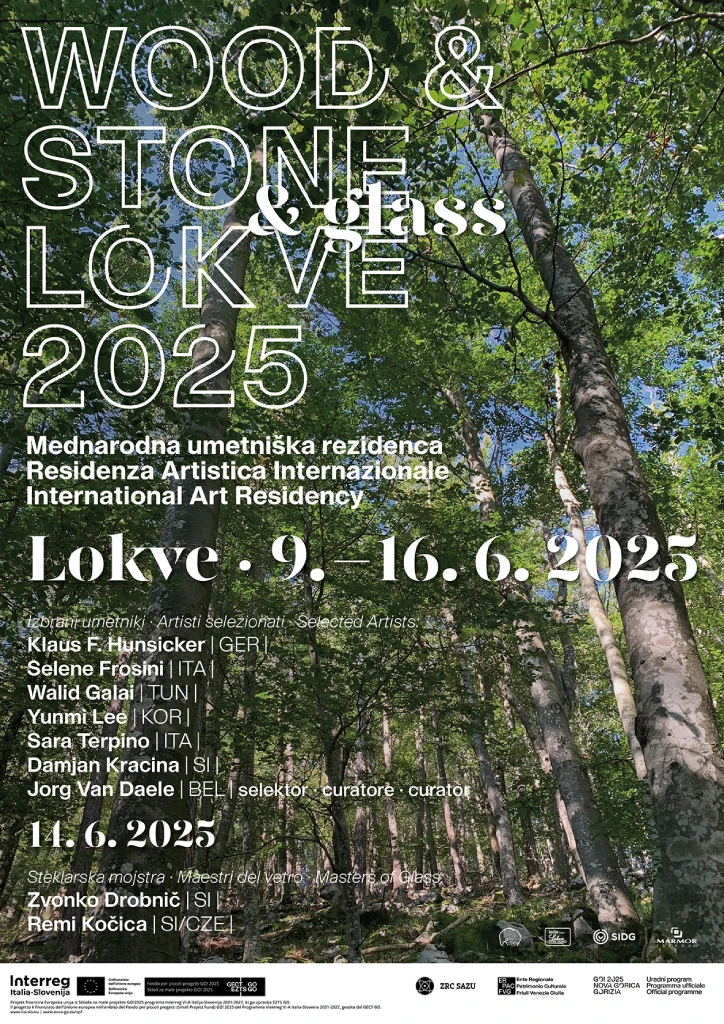
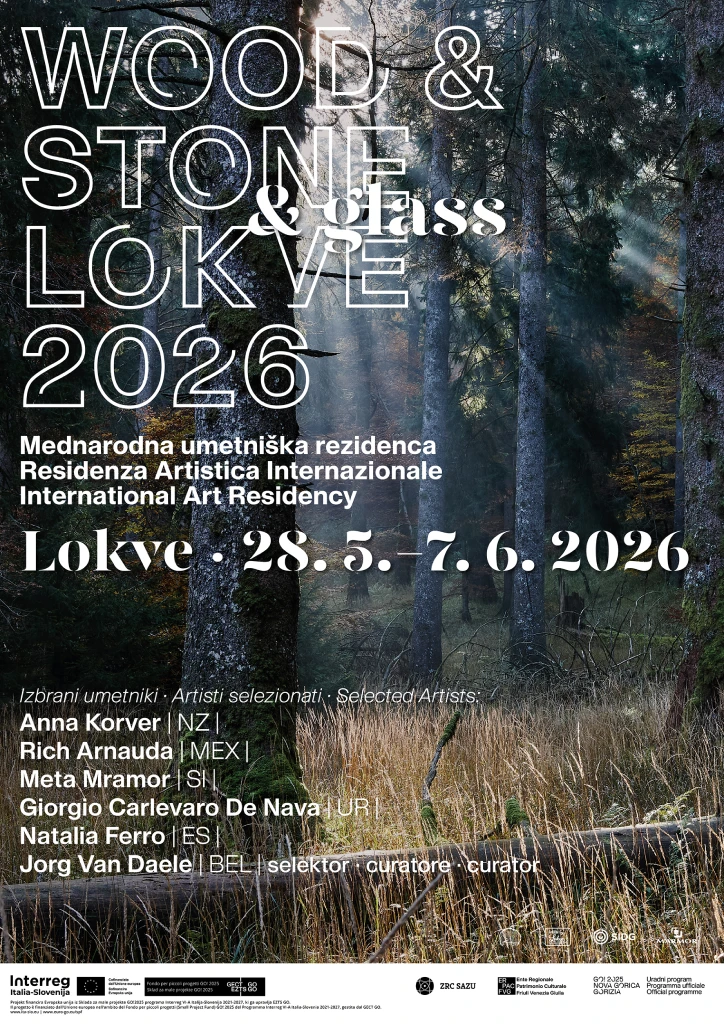
The international artist residency, dedicated to academically trained sculptors working in wood, stone and glass, is being developed in cooperation with local partners: TKŠ Lo-Ko Lokve and Gostilna Lokve, which also hosts the residency. The environment of the Trnovo Forest, with its primal character and rich natural heritage, offers an exceptional setting for artistic creativity, cultural exchange and connections between artists and the local community, which has always been closely linked to wood and stone.
Each year, the residency hosts sculptors selected through an international open call under the guidance of selector Jorg Von Deale, an internationally established sculptor. Throughout the creative process, the artists are accompanied by art historian and curator Klavdija Figelj. Every year, Lokve welcomes up to six artists from different countries around the world.
The sculptural works created during the residency become part of the publicly accessible Forma viva Lokve collection, placed in the landscape of the villages of Lokve and Lazna. Visitors can also discover the collection through the thematic walk “From Sculpture to Sculpture”, which invites them to explore art embraced by nature.
IV. international artist residency Lokve

V. international artist residency Lokve


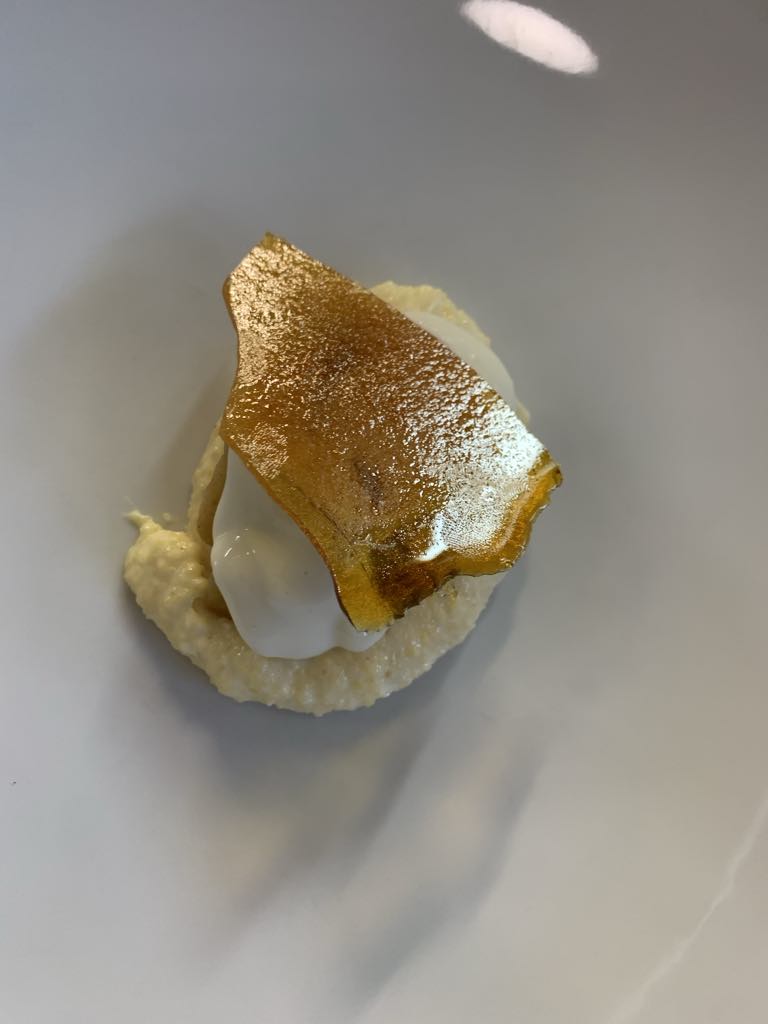
The glassmakers’ dessert is inspired by the lives of the glažutarji and the local people, who knew how to create filling and delicious dishes from modest ingredients. It is based on simple foods that were once part of everyday life: polenta, sour milk, apples, raisins and sugar.
In this dessert, the flavours of the past come together – the sweetness of raisins, the freshness of apples and the gentle acidity of milk – telling a story of resourcefulness, adaptability and the warmth of home cooking that accompanied life in the heart of the forest.

The Glass Routes project – following the glassmakers’ paths in the Goriška region
The Glass Routes project covers the cross-border Goriška area, with a special focus on the less populated Trnovo Forest and its historical relationship with the town of Gorizia. It explores the role of the Goriška hinterland and its connection to broader European cultural and economic currents in the past.
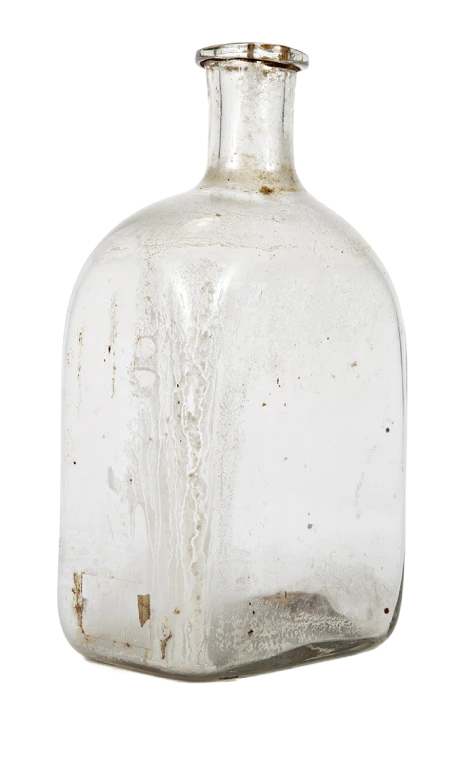
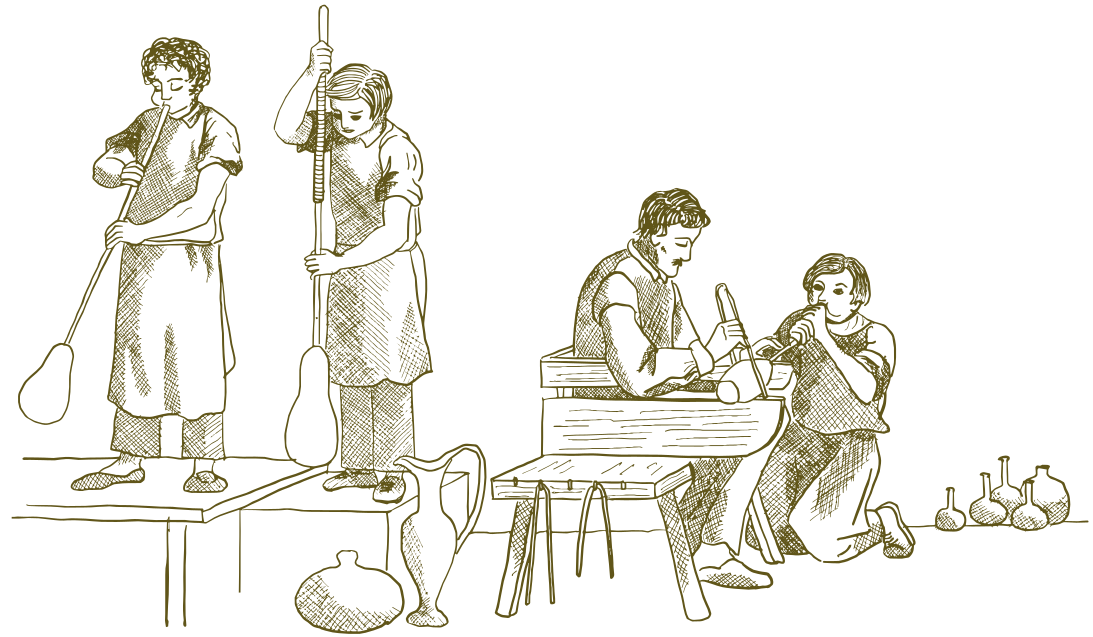
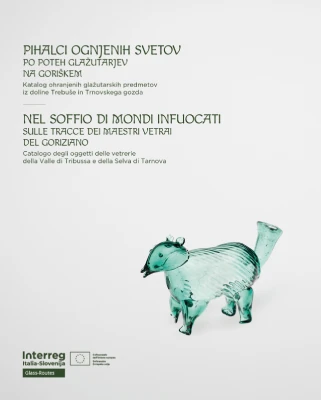
Between 1722 and 1830, Czech glassblowers – the glažutarji – settled near the villages of Lokve, Lazna and Trebuša, initially in connection with the Oriental Company of the Habsburg Monarchy (the glassmakers are said to have come from Hamburg). Later, the Vogel family saw a business opportunity in forest glassmaking and obtained a concession for glassmaking activity in the Trnovo Forest. Over almost a century, these Czech-German newcomers, living in the middle of the forest, produced thousands of bottles and other glass objects, both functional and decorative. In quantity, and often also in quality, their products competed with those of Venetian glassmakers.
The glažutarji settled in the Trnovo Forest because of its abundance of raw materials: beech wood for the production of potash and quartz sand from the Trebuša river. Lokve was an important logistical point, as a route led from there to Gorizia and onward to the port of Trieste. Bottles first made for Spanish wine, and later for rose liqueur (rosolio), were transported through warehouses in Lokve and Gorizia to Trieste, where producers filled them with different flavours of this sweet liqueur. From there, they travelled to the Middle East and as far as Spain, India and America.
Due to the intensive use of natural resources, the glassmakers moved several times within the forest, but after about a hundred years their activity ended because it was no longer competitive. Nevertheless, their memory remains strongly present in the local environment. Their products are now kept in museums on both the Slovenian and Italian sides (ERPAC, Musei provinciali di Gorizia, Tolmin Museum, National Museum of Slovenia), encouraging cross-border cooperation and enabling a comprehensive presentation of their heritage.
The project is designed as a multi-layered programme and includes:
The full story is also available on the website, where the heritage of the glažutarji is presented to a wider public.

Projekt Glass Routes financira Evropska unija iz Sklada za male projekte GO! 2025 programa Interreg VI-A Italija-Slovenija 2021-2027, ki ga upravlja EZTS GO.
Il progetto Glass Routes è finanziato dall'Unione europea nell'ambito del Fondo per piccoli progetti (Small Project Fund) GO! 2025 del Programma Interreg VI-A Italia-Slovenia 2021-2027, gestito dal GECT GO.
Vodilni partner

Projektni partner


Zahvaljujemo se sodelavcem in podpornikom